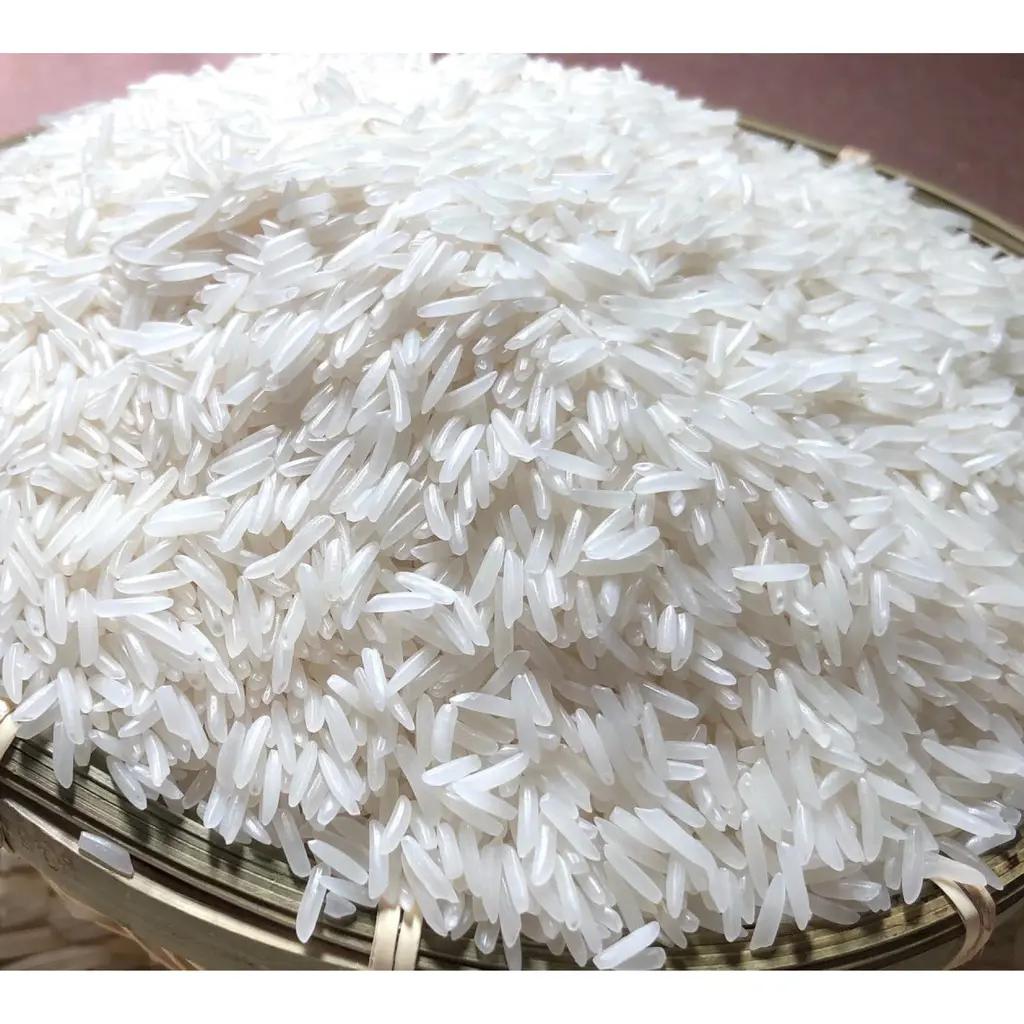
🍚 Vietnam is shipping more rice and earning less. Here are the numbers.
Early 2026 trade data shows a pattern worth studying:
Jan to Feb 2026
→ Export volume: 1.3 million tonnes (+5% YoY)
→ Export value: $599.3M (-11.2% YoY)
→ Average price: $464.1/tonne (-15.4% YoY)
Volume up 5%, value down 11.2%. That implies roughly $75M less revenue than a year earlier, despite shipping more rice.
February alone: 640K tonnes exported, generating $289.4M.
Where the rice is going
→ Philippines: 47.6% of total exports (value +17.6% in January)
→ China: exports up 5.8x year-on-year
→ Ghana: down 31%
Nearly half of Vietnam's rice goes to one buyer. That's a big concentration risk, even with China's surge.
Why prices fell
→ India's surplus supply pushed its export prices lower, with 5% broken parboiled at $348-353/tonne
→ India's rupee hit a record low, making its rice even cheaper
→ Vietnam's 5% broken rice was quoted at $360-365/tonne, unchanged week to week
→ Middle East tensions put pressure on global shipping routes
The bigger picture
Despite the squeeze, Vietnam still exported about $6.39B of rice between April 2025 and March 2026. That's ahead of India's $5.62B in the same period, even though India ships far more tonnage (USDA projects 25.0M MT for India vs 8.0M MT for Vietnam in 2026/27).
The takeaway: Volume isn't the same as value. India wins on scale, while Vietnam has competed on variety, with fragrant, jasmine, glutinous and white rice. But when a larger rival floods the market with cheap supply, even a diversified exporter feels the price pressure.
For anyone in agribusiness or commodities: watch pricing power, not just tonnage.
What matters more to you in commodity trade, volume or margin?
#Rice #AgriculturalTrade #Vietnam #Commodities #GlobalTrade #FoodSecurity
Read more